Air conditioners designed to maintain safe operating temperatures inside electrical enclosures, telecom cabinets, and technical shelters.
Air conditioners

Built for critical infrastructure
Enclosure and shelter air conditioner series

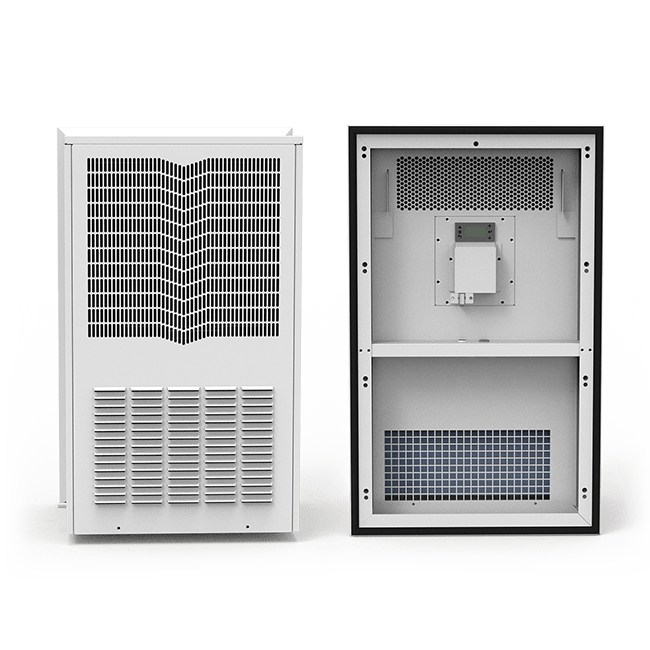
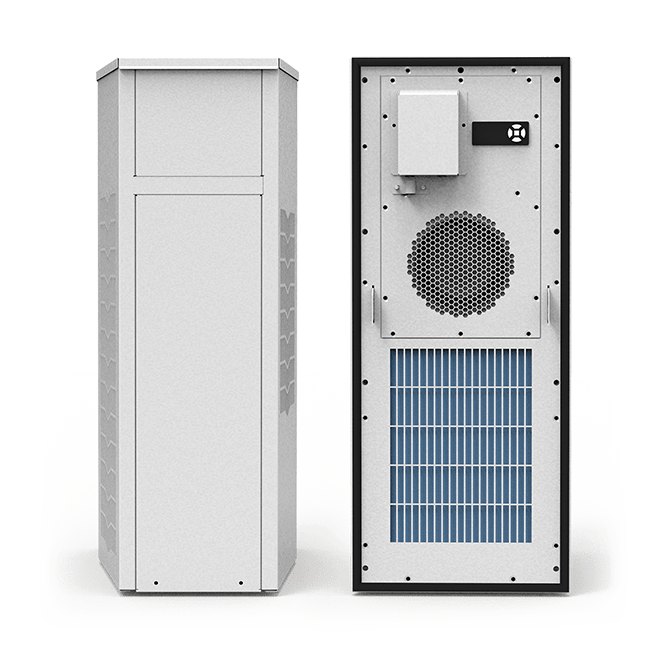

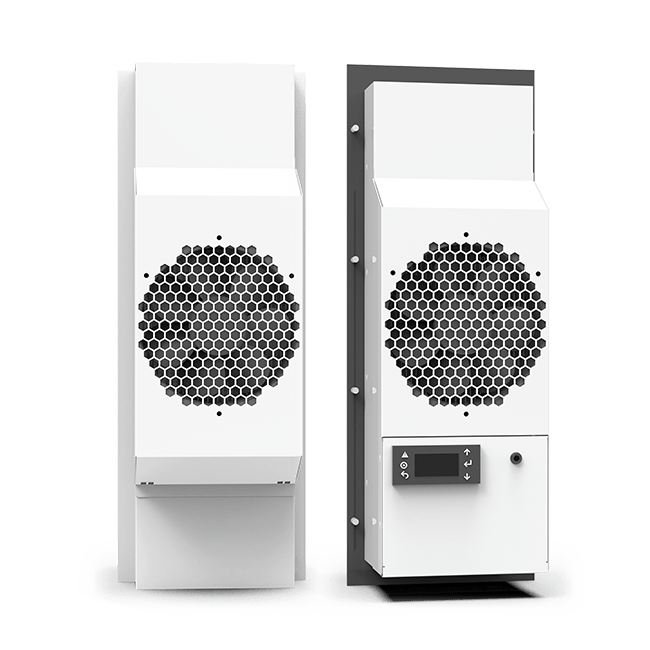
Why choose Vikinor enclosure air conditioners
Vikinor enclosure air conditioners are designed for reliable thermal management of electrical enclosures, telecom cabinets, and infrastructure equipment. Designed for demanding environments, they combine flexible power options, energy-efficient cooling technology, and a wide cooling capacity range.
Flexible power configurations
- AC, DC, and hybrid AC/DC models available
- Compatible with telecom and industrial power systems
- Supports both grid and battery-powered installations
Wide cooling capacity range
- Cooling performance from 300 W to 10,600 W
- Suitable for compact cabinets and large outdoor enclosures
- Multiple series designed for different installation constraints
Energy-efficient cooling
- Optimized thermal performance for enclosure applications
- Reduced energy consumption compared to traditional systems
- Low-GWP refrigerants such as R513A
Designed for critical infrastructure
- Reliable operation in telecom, energy, and industrial installations
- Compatible with outdoor enclosure environments
- Built for continuous operation in demanding conditions
Choosing the right air conditioner
Air conditioners for electrical enclosures are selected based on cooling capacity, environmental conditions, and installation requirements. Choosing the right system ensures reliable temperature control and long-term performance.
Cooling capacity requirements
Select an air conditioner based on the total heat load inside the enclosure, including active components and external heat exposure.
Installation type
Choose between panel-mounted, slim, or split system configurations depending on enclosure design and available space.
Power availability
Air conditioners are available in AC and DC configurations, allowing integration into telecom, industrial, and hybrid power systems.
Environmental conditions
Consider ambient temperature, humidity, and exposure to dust or corrosive environments when selecting the appropriate cooling solution.
Enclosure air conditioners – technical overview
Enclosure air conditioners are used to control internal temperatures in electrical cabinets, telecom enclosures, and technical shelters where heat loads exceed passive cooling capabilities. The following sections explain how enclosure cooling systems work and how to select the right solution.
Enclosure air conditioners are cooling systems designed to control internal temperatures inside electrical enclosures, control cabinets, and telecom equipment housings. By actively removing heat generated by electronic components, these systems maintain stable operating conditions and prevent overheating that can lead to equipment failure.
Unlike passive cooling methods such as heat exchangers or ventilation, enclosure air conditioners use compressor-based refrigeration or thermoelectric cooling technology to maintain a controlled internal environment independent of external temperatures.
They are widely used in telecommunications infrastructure, industrial automation systems, data center installations, and energy equipment where reliable cooling is essential for system stability.
Outdoor enclosures often experience extreme temperature fluctuations, solar radiation, and environmental exposure that can quickly increase internal heat loads. Enclosure air conditioners actively remove this heat and maintain safe operating temperatures for sensitive electronics.
These cooling systems protect components such as power supplies, communication equipment, and industrial controllers. They are widely used in telecom cabinets, energy infrastructure installations, and industrial equipment enclosures where continuous operation is required.
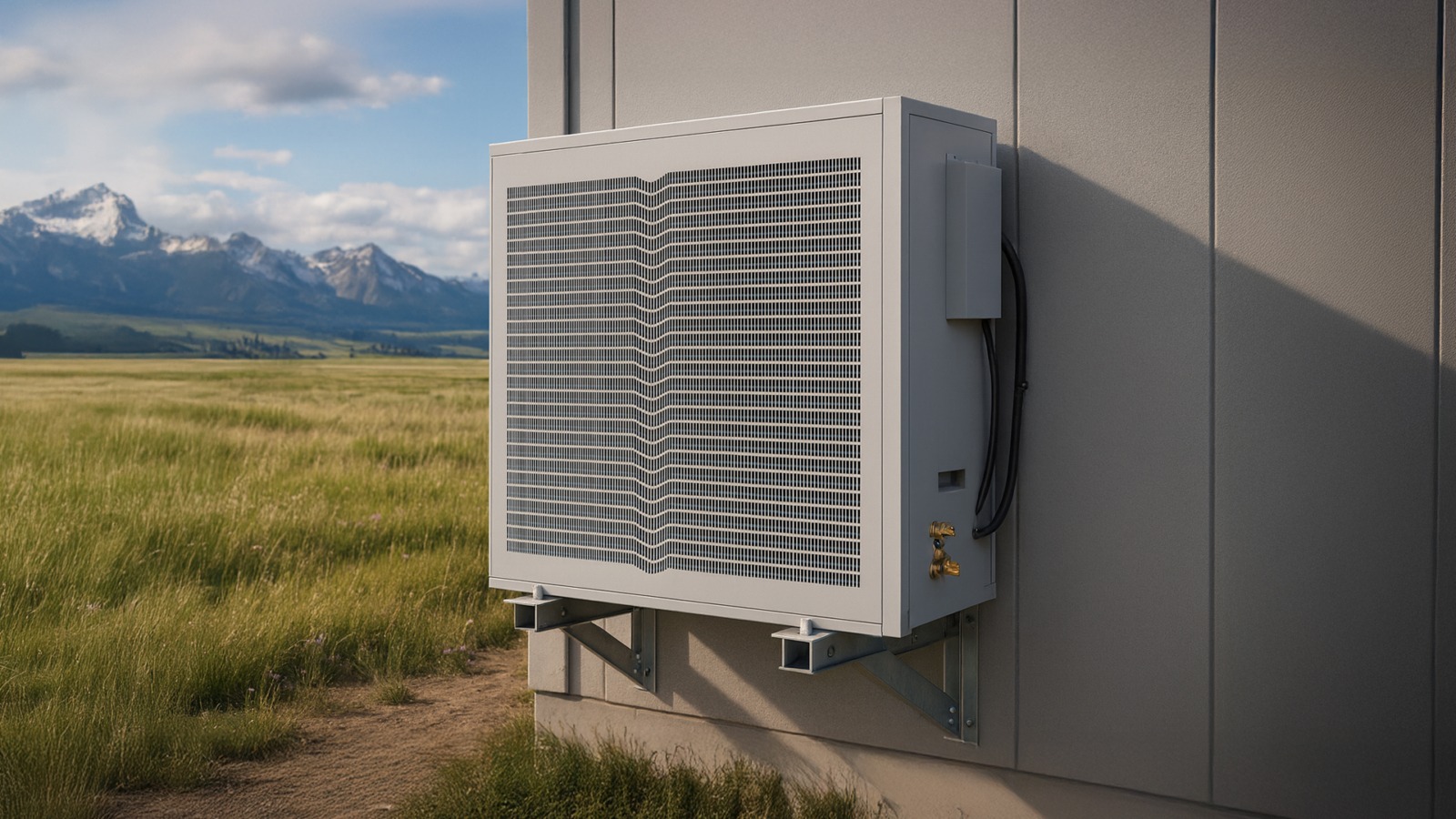
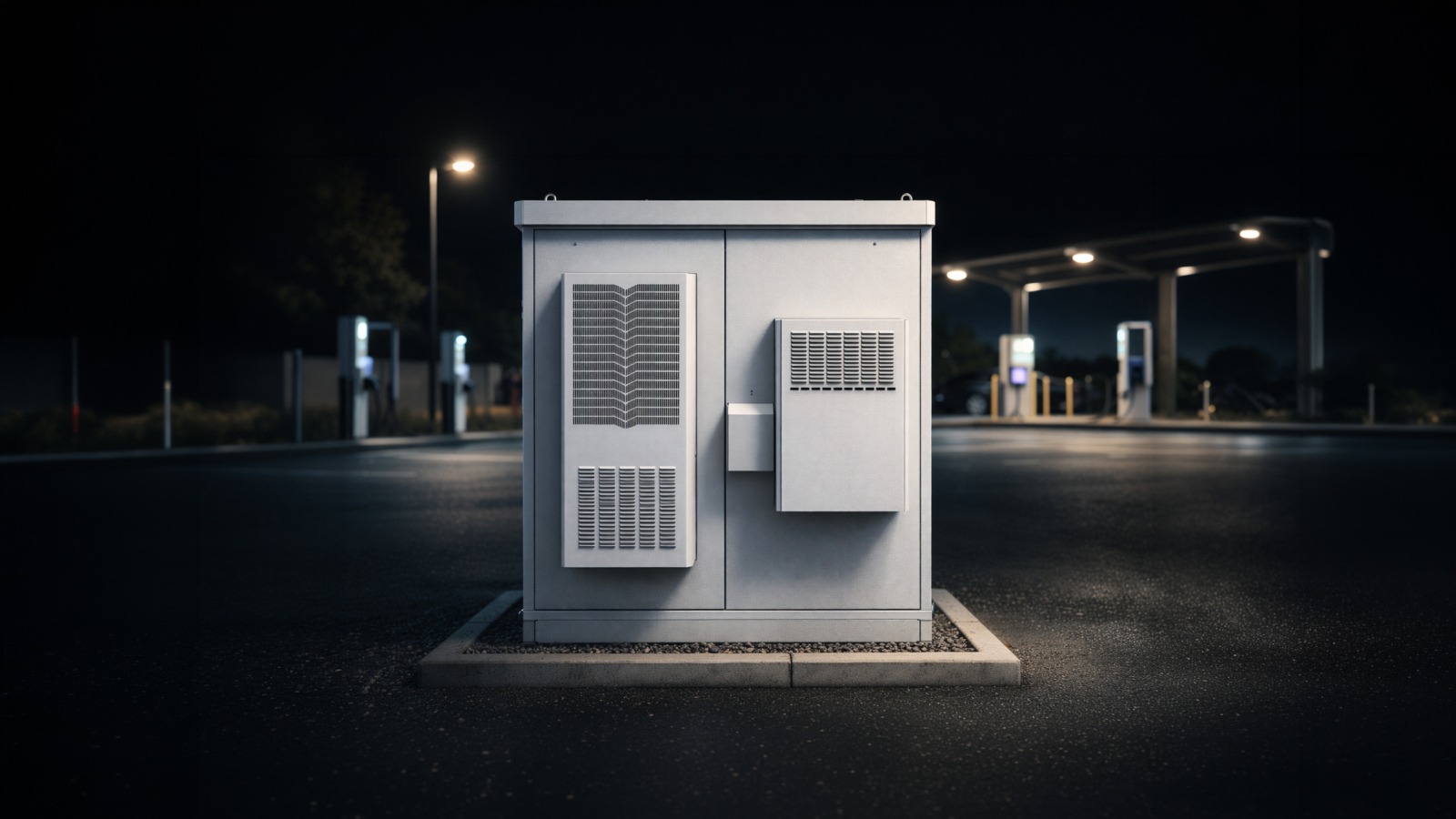
Air conditioners are often installed in outdoor enclosures to maintain stable operating temperatures and protect equipment from environmental exposure.
Telecom cabinets contain high-density electronic equipment that generates significant heat during operation. Without effective cooling, elevated internal temperatures can reduce system performance and shorten the lifespan of sensitive components.
Air conditioners designed for telecom cabinets provide reliable thermal management by maintaining stable internal conditions even when ambient temperatures fluctuate. These cooling systems are commonly deployed in mobile network infrastructure, fiber distribution cabinets, and edge data center installations.
Because telecom equipment is often powered by DC systems or hybrid power configurations, enclosure air conditioners may support AC, DC, or combined AC/DC power options to ensure compatibility with telecom infrastructure.
Active cooling becomes necessary when heat loads inside an enclosure exceed what passive cooling technologies can remove. Equipment such as power converters, communication devices, and industrial controllers generate heat that must be dissipated to maintain reliable operation.
When ambient temperatures are high or equipment density increases, passive cooling technologies such as free cooling systems or heat exchangers may no longer provide sufficient temperature control. Enclosure air conditioners deliver consistent cooling performance regardless of external conditions.
Active cooling is commonly required in telecom cabinets, outdoor electrical enclosures, industrial automation systems, and infrastructure installations where reliable temperature management is critical.
Selecting the correct enclosure air conditioner requires evaluating several technical factors related to the installation environment and equipment heat load.
Important considerations include:
- Heat generated by equipment inside the enclosure
- Enclosure size and airflow conditions
- Ambient temperature ranges
- Power supply availability (AC, DC, or hybrid)
- Installation constraints such as mounting space
Choosing the correct cooling capacity ensures that the enclosure maintains stable operating temperatures without excessive energy consumption.
Both enclosure air conditioners and heat exchangers are used to control temperatures inside electrical cabinets and enclosures, but they operate differently.
Heat exchangers transfer heat from inside the enclosure to the outside environment using ambient air. This method is energy efficient but depends on external temperatures being lower than the desired internal temperature.
Air conditioners actively remove heat using refrigeration technology. This allows them to maintain stable internal temperatures even when ambient conditions are high.
Because of this difference, heat exchangers are often used in moderate climates, while enclosure air conditioners are preferred for installations exposed to higher temperatures or heavy heat loads.
Enclosure air conditioners are widely used in industries where electronic equipment must operate reliably in controlled environments.
Common applications include:
- Telecommunications infrastructure
- Industrial automation and control systems
- Data center and IT equipment installations
- Energy and grid infrastructure
- Oil, gas, and mining installations
- Defense and security systems
In these environments, effective thermal management helps ensure stable system performance and protects critical equipment from heat-related failures.
Related cooling and enclosure solutions