Outdoor security enclosures designed to protect critical infrastructure against intrusion, vandalism, and unauthorized access in high-risk outdoor environments.
Outdoor security enclosures

Built for critical infrastructure
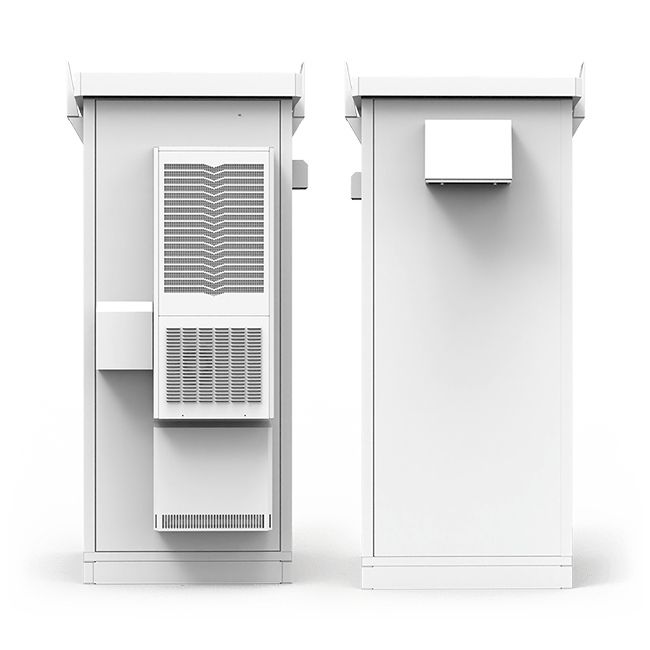
Why choose Vikinor outdoor security enclosures
Vikinor outdoor security enclosures are engineered to protect critical infrastructure in exposed and high-risk environments.
Enhanced physical protection
- Reinforced enclosure construction
- Resistance to forced entry and impact
- Designed for high-risk installations
Secure access control
- Advanced locking mechanisms
- Controlled and monitored access
- Integration with external security systems
Security-focused configurations
- Reinforced doors and enclosure structures
- Anti-tamper and tamper-proof enclosure design
- Configurable protection levels based on risk
Integrated solutions
- Compatible with cooling and power systems
- Pre-configured enclosure solutions
- Reduced installation complexity
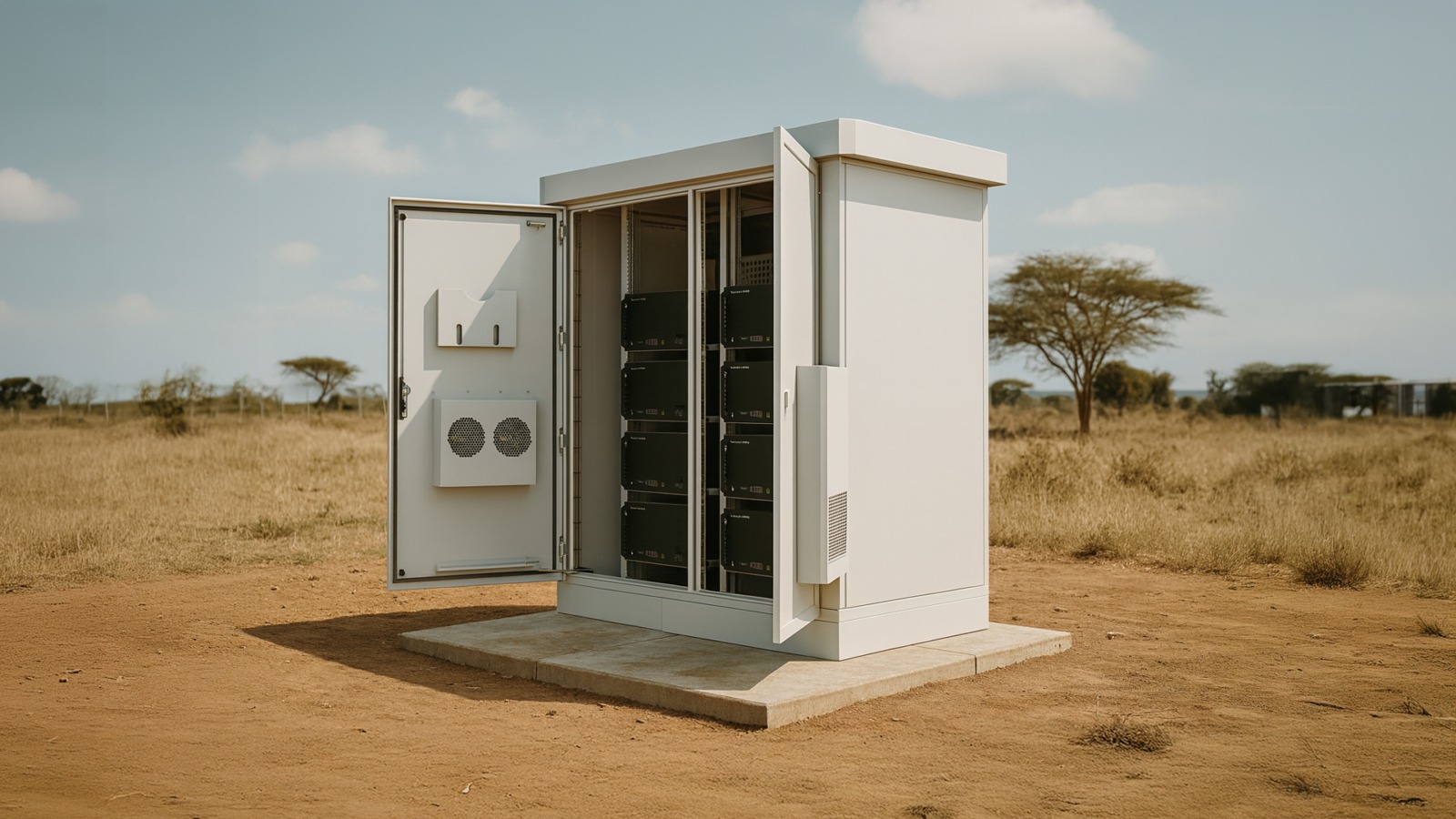
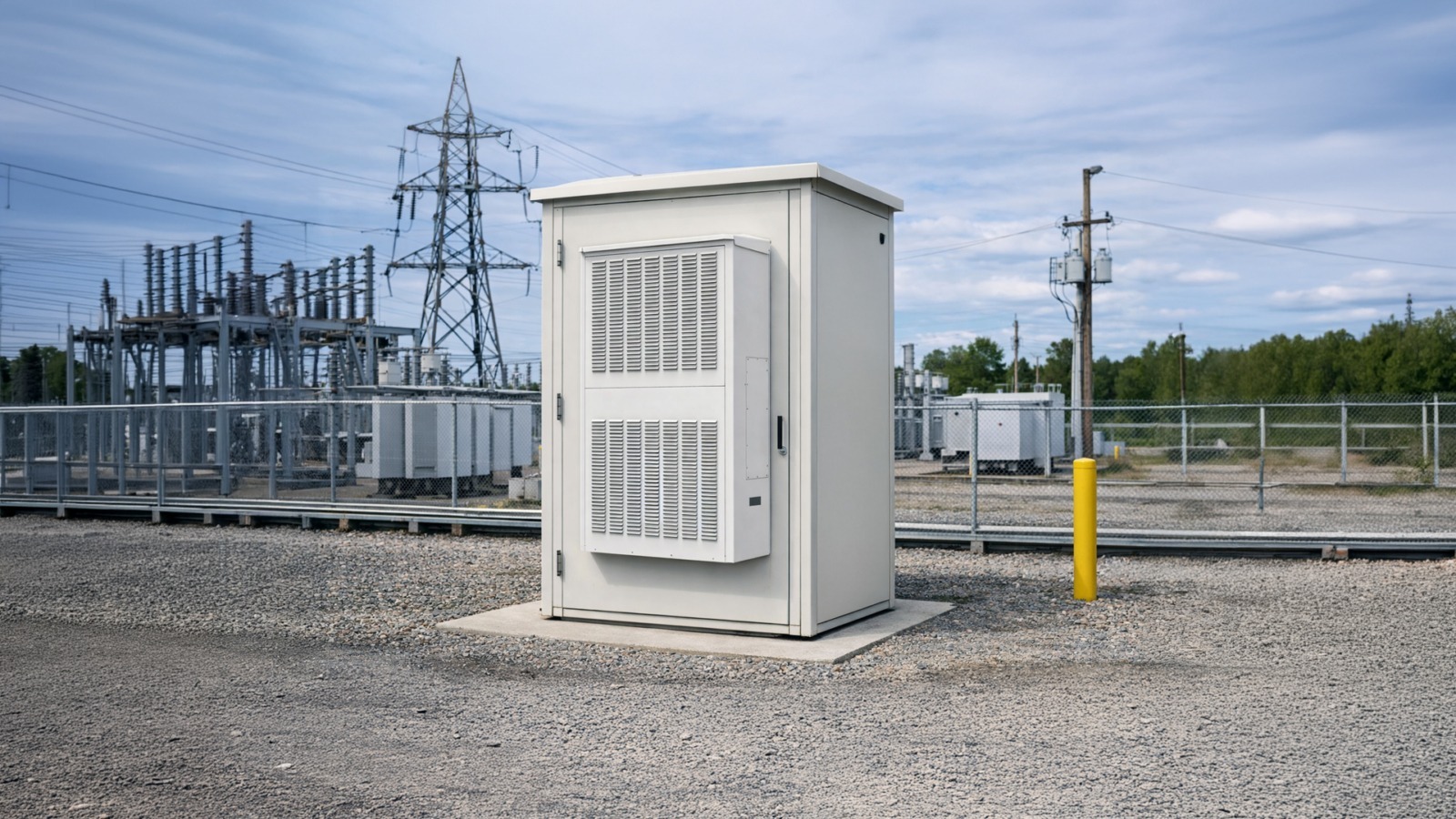
Choosing the right outdoor security enclosure
Selecting the right outdoor security enclosure depends on threat level, site accessibility, and infrastructure criticality.
Standard security enclosures
Suitable for installations requiring protection against unauthorized access and basic tampering.
Reinforced security enclosures
Designed for high-risk environments requiring vandal resistant enclosures and increased resistance to forced entry.
Monitored access enclosures
Support integration with access control systems for logging, monitoring, and managing entry.
Critical infrastructure enclosures
Used in telecom, energy, and defense applications where maximum protection and reliability are required.
Outdoor security enclosures – technical overview
Outdoor security enclosures are designed to combine physical protection and controlled access with reliable operation in demanding outdoor environments.
Outdoor security enclosures are protective cabinets designed to prevent unauthorized access, theft, or damage to installed equipment while maintaining operational integrity in outdoor environments.
Outdoor security enclosures use reinforced materials, structural design, and secure locking mechanisms to restrict access. Controlled entry can be achieved through mechanical locks or integrated access systems, while enclosure integrity is maintained through sealed construction and standardized classifications such as IP ratings and NEMA ratings. Where required, enclosures can be integrated with thermal management systems such as air conditioners or heat exchangers to maintain stable operating conditions.
Outdoor security enclosures are specifically designed to protect against intrusion, vandalism, and unauthorized access, while standard outdoor enclosures focus on environmental protection and equipment housing.
Outdoor security enclosures can be configured based on the level of risk associated with the installation.
- Low risk environments with limited public access
- Medium risk installations requiring vandal resistant enclosures
- High risk and critical infrastructure requiring tamper resistant enclosures and controlled access
Outdoor security enclosures are used when equipment is deployed in public, remote, or high-risk environments where protection against tampering, theft, or sabotage is required.
- Telecom infrastructure in public or remote locations
- Energy and utility installations
- Transportation infrastructure
- Industrial sites with restricted access
- Defense and security installations
Related categories