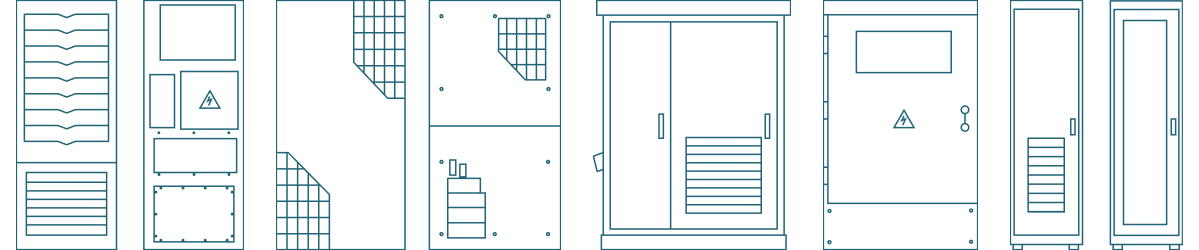
Outdoor enclosures designed to protect and deploy telecom, energy, and industrial equipment in demanding outdoor environments.
Outdoor enclosures

Built for critical infrastructure
Outdoor enclosure series
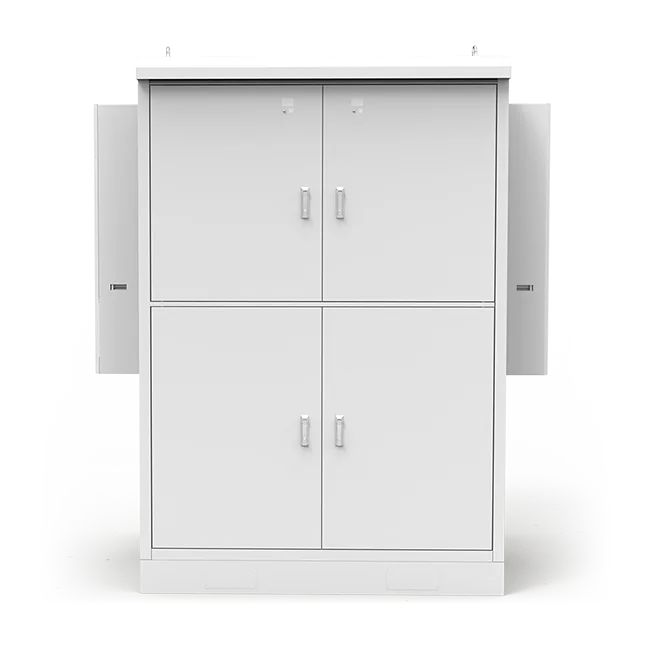
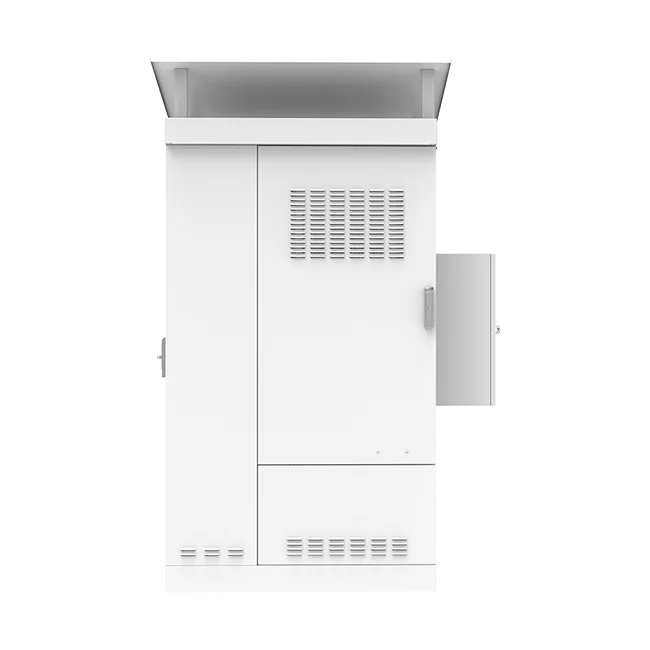
Why choose Vikinor outdoor enclosures
Vikinor outdoor enclosures are engineered for long-term reliability in critical infrastructure deployments.
Ruggedized design
- Built for extreme outdoor environments
- Robust structural integrity under wind and mechanical stress
- Long service life in remote installations
Environmental protection
- High IP and NEMA ratings
- Protection against dust, water, and humidity
- Designed for temperature stability
Flexible configurations
- Multiple sizes and bay configurations
- Custom layouts for different equipment types
- Scalable designs for evolving infrastructure
Integrated solutions
- Designed for integration with cooling and power systems
- Pre-configured enclosure solutions
- Reduced installation complexity
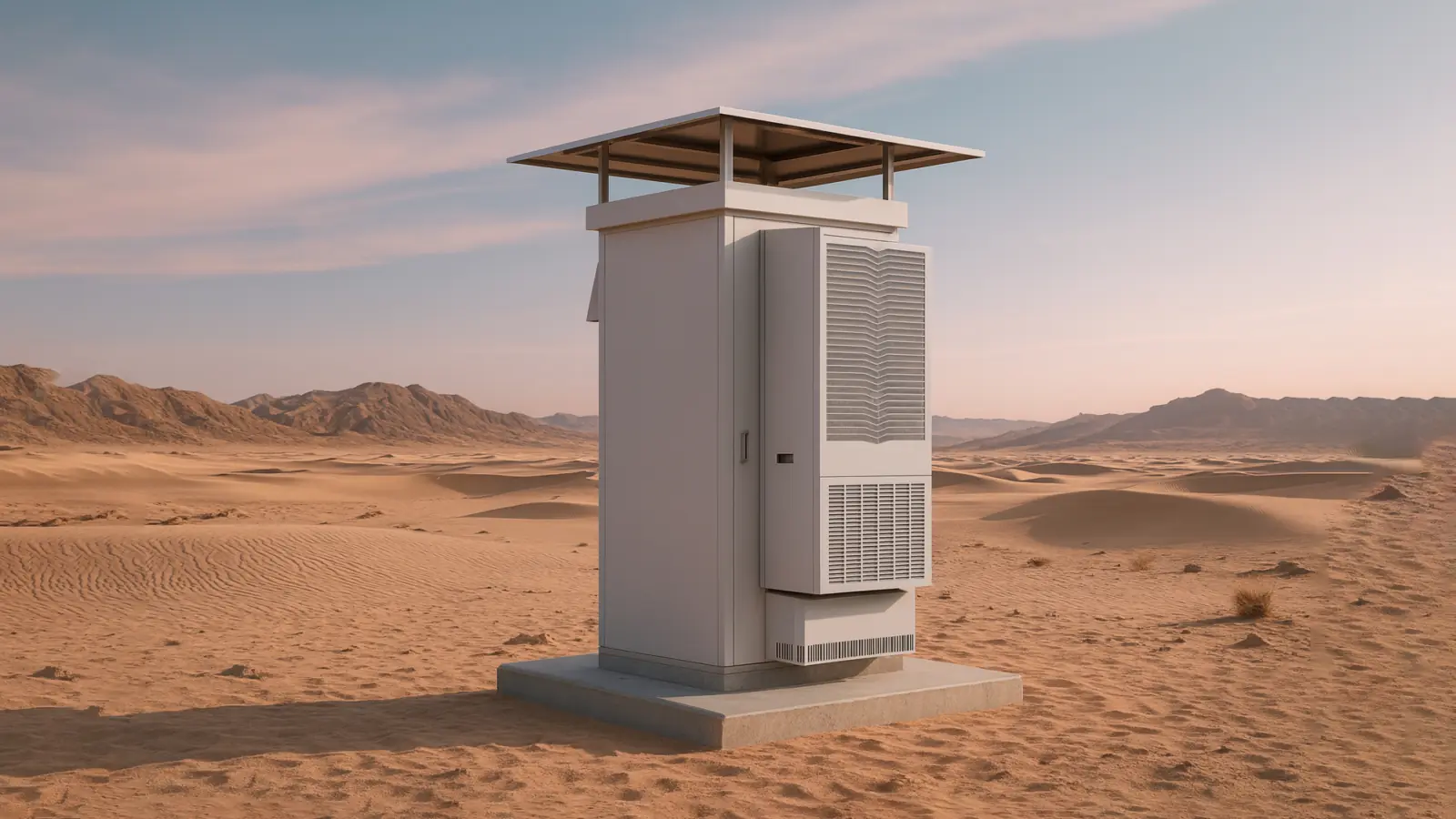
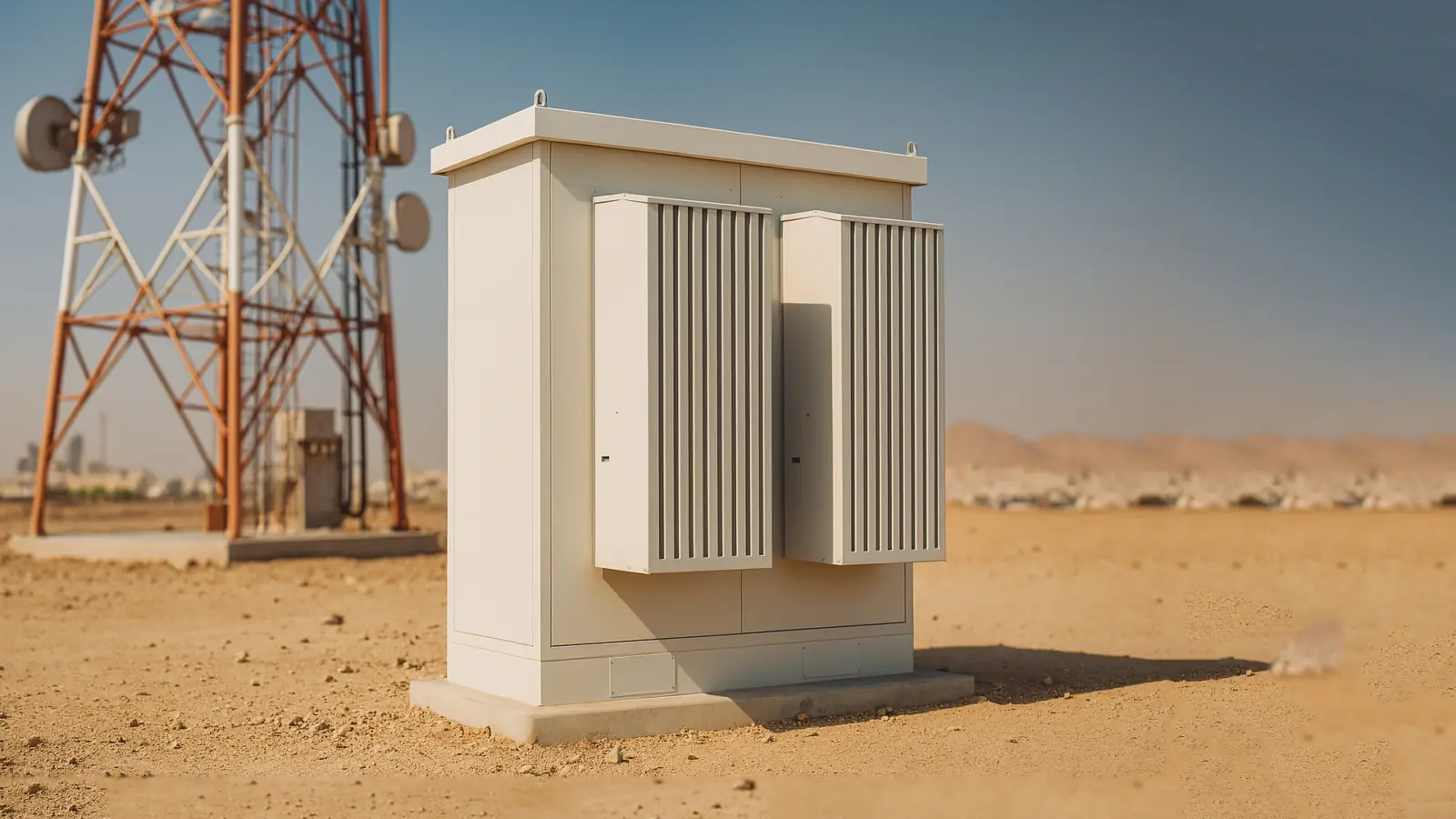

Choosing the right outdoor enclosure
Selecting the right outdoor enclosure depends on environmental conditions, installation type, and equipment requirements.
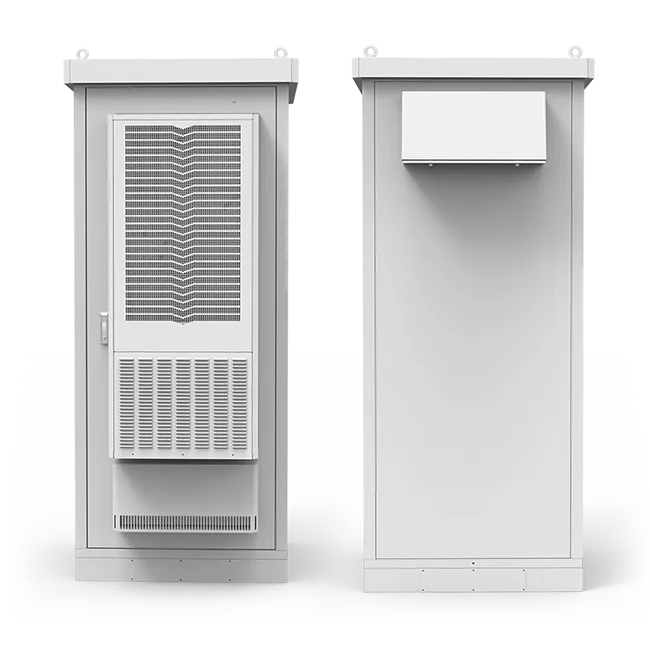
Single-walled outdoor enclosures
Suitable for moderate environments where space efficiency and cost optimization are key.
Double-walled outdoor enclosures
Provide improved thermal insulation and protection in harsh climates and high solar load conditions.
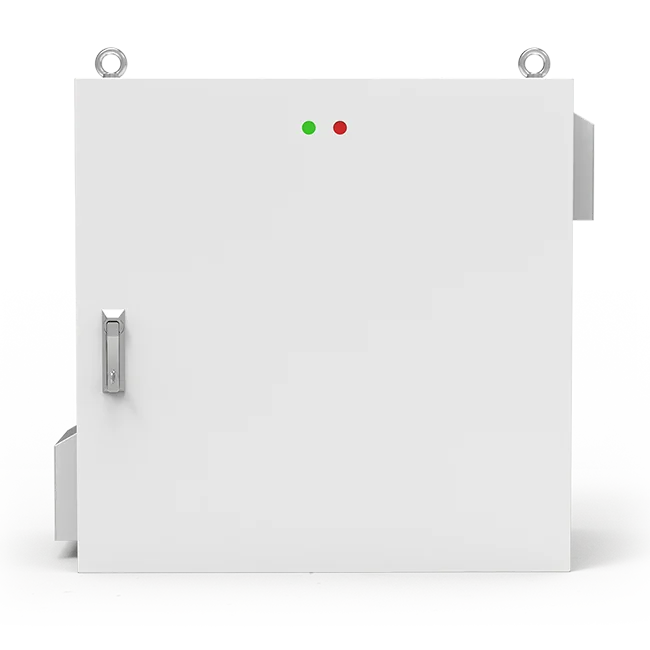
Wall-mounted outdoor enclosures
Compact solutions for distributed infrastructure and limited installation space.
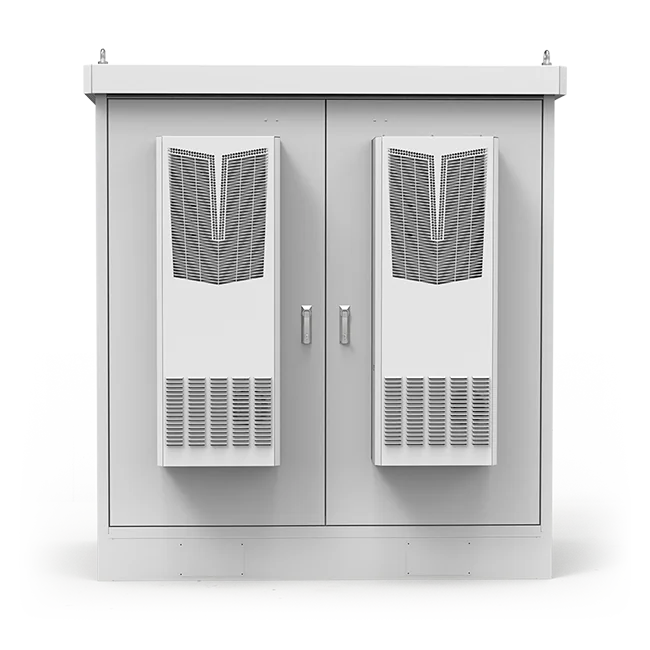
Multi-bay outdoor enclosures
Designed for telecom and energy applications requiring scalable and shared infrastructure.
Outdoor enclosures – technical overview
Outdoor enclosures are designed to protect sensitive equipment from environmental exposure while maintaining stable operating conditions across a wide range of climates.
Outdoor enclosures are protective cabinets designed for installing electrical and electronic equipment in external environments where exposure to weather and environmental factors is unavoidable.
Outdoor enclosures create a controlled internal environment by combining sealed construction, material selection, and optional thermal management systems such as air conditioners or heat exchangers. Protection levels are defined by standardized classifications such as IP ratings and NEMA ratings.
Outdoor enclosures are designed to withstand environmental exposure, including rain, dust, solar radiation, and temperature fluctuations, while indoor cabinets are used in controlled environments with minimal exposure.
Outdoor enclosures are typically used for compact to mid-sized equipment installations, while larger infrastructure deployments and walk-in systems require modular shelter solutions.
Outdoor enclosures are used when equipment must be deployed outside buildings or in unconditioned environments where protection and durability are critical.
Outdoor enclosures are typically manufactured using aluminum or steel, depending on environmental requirements and application needs.
- Aluminum enclosures offer corrosion resistance and lower weight
- Steel enclosures provide high structural strength and durability
- Surface treatments and coatings improve resistance to corrosion and environmental exposure
Many outdoor enclosures are designed to meet standards such as Telcordia GR-487, ensuring performance in demanding telecom environments.
Outdoor enclosures are used when equipment must be deployed outside buildings or in unconditioned environments where protection and durability are critical.
- Telecom base stations and network nodes
- Fiber and broadband distribution sites
- Industrial automation systems
- Power and battery backup systems
- Energy, utility, and transportation infrastructure
Related categories