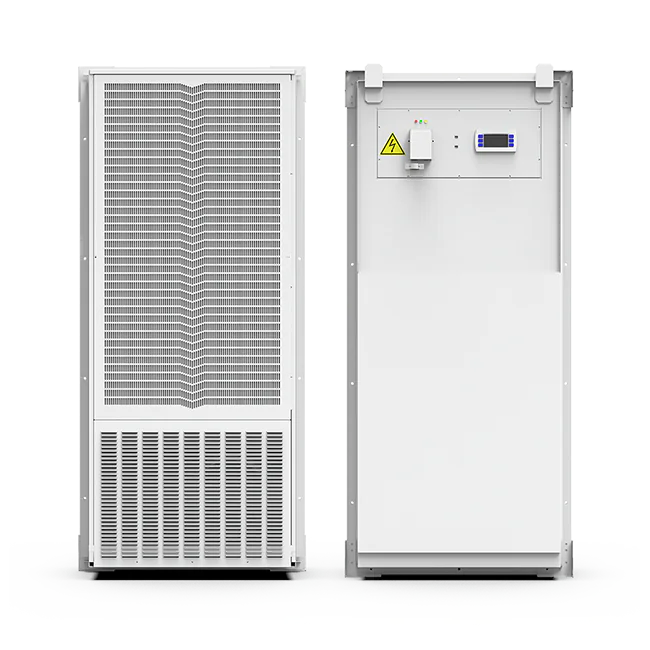
Liquid cooling systems designed for high-density infrastructure, BESS, EDGE data centers, and advanced thermal management applications where air-based cooling is no longer sufficient.
Liquid cooling systems

Built for critical infrastructure
Why choose Vikinor liquid cooling systems
Vikinor liquid cooling systems are developed for demanding infrastructure environments where high-density equipment requires precise and reliable thermal management. With in-house design, engineering, and manufacturing capabilities, Vikinor supports application-specific cooling solutions built around real operating conditions.
Advanced thermal management
- Designed for high-density infrastructure applications
- Supports efficient heat removal from critical equipment
- Helps maintain stable operating temperatures under demanding conditions
Application-specific system design
- Configurable solutions based on site requirements
- Supports integration with cabinets, racks, and infrastructure systems
- Reduces risk of oversizing or unsuitable cooling configurations
Reliable infrastructure integration
- Designed for critical telecom, data center, and industrial environments
- Supports monitoring, service access, and maintainability
- Can be integrated with broader cooling, powering, and protection systems
In-house engineering and validation
- End-to-end design and engineering support
- Controlled manufacturing and quality validation
- Continuous refinement across product generations
Choosing the right liquid cooling system
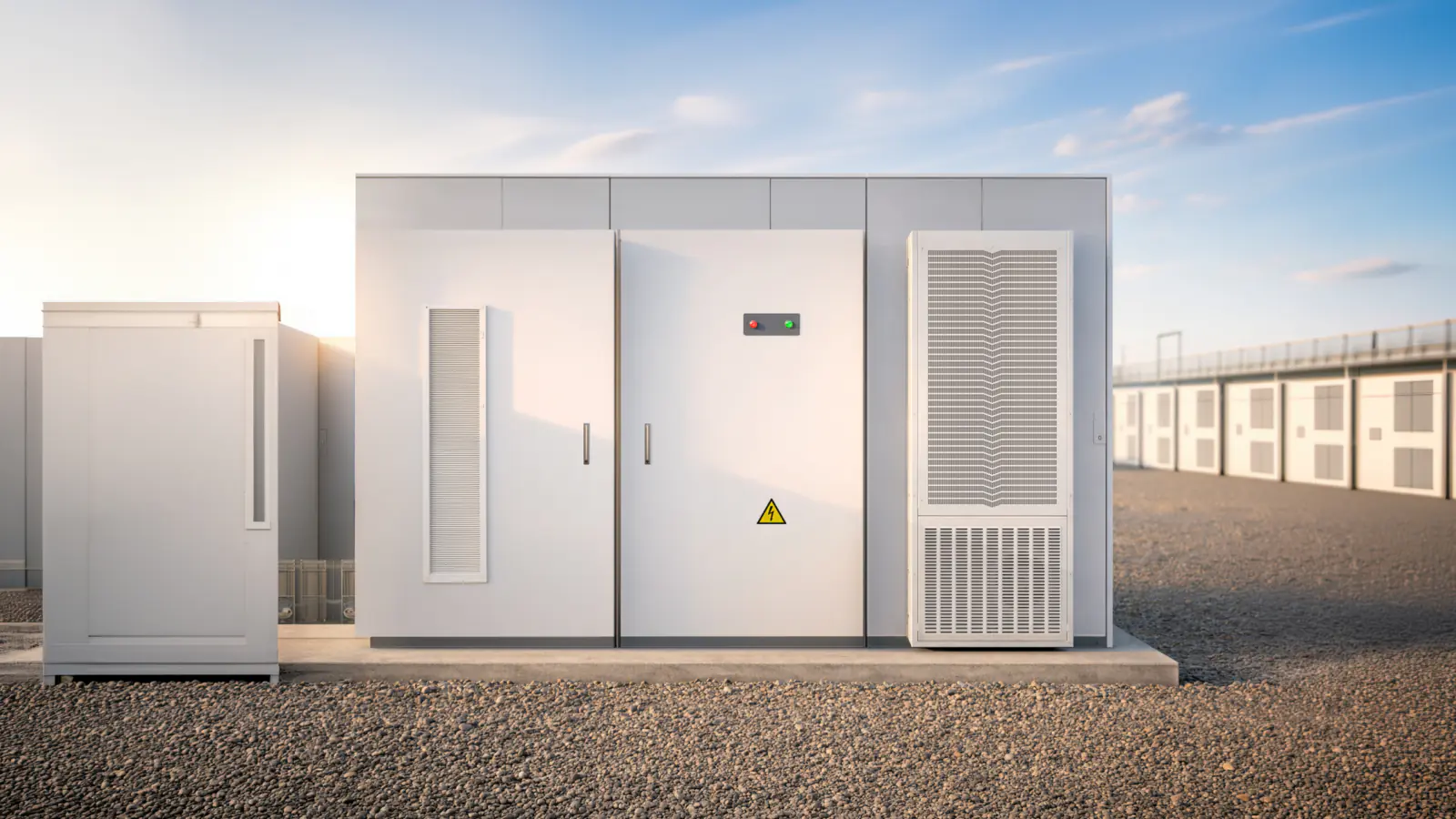
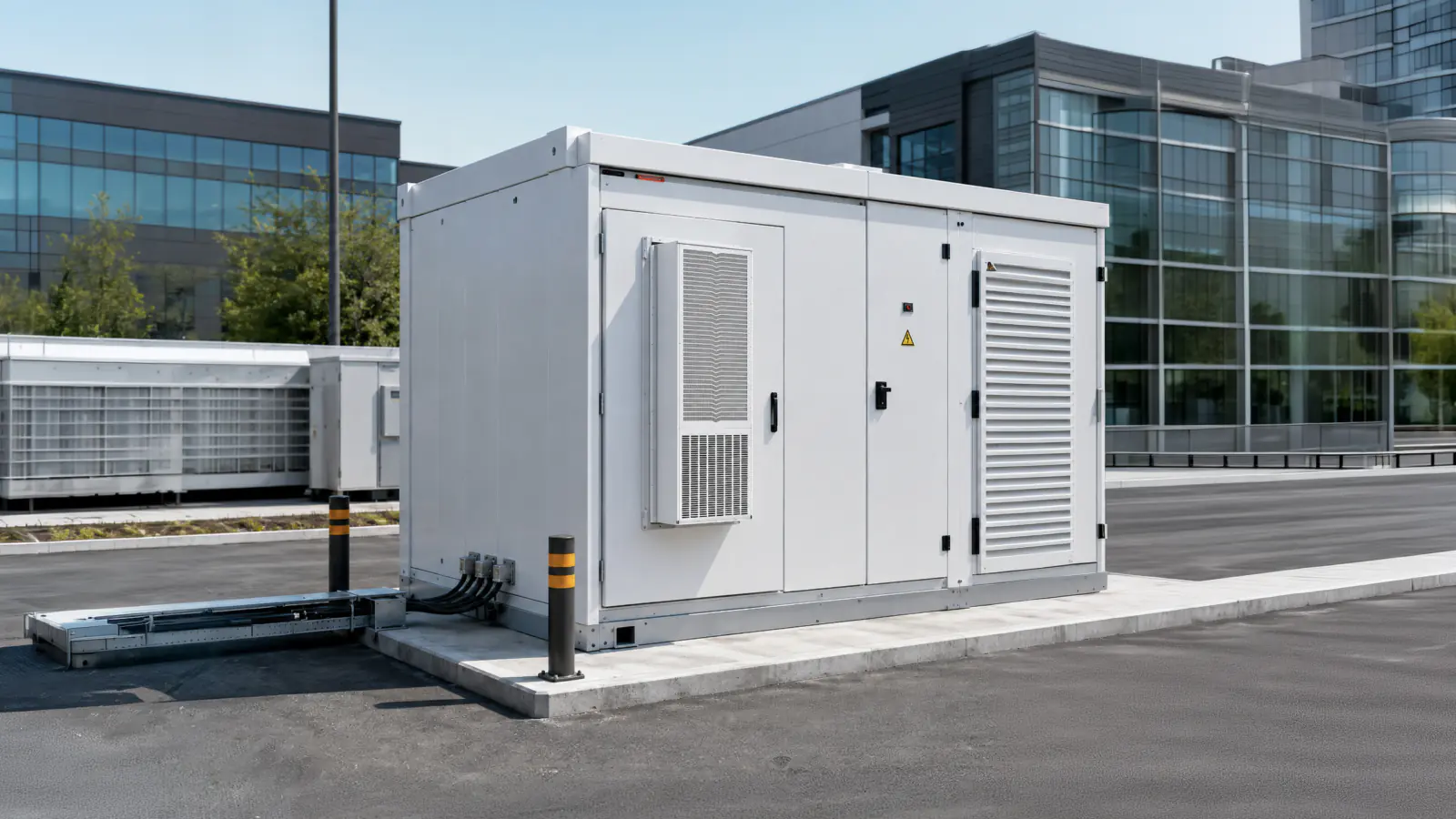
Liquid cooling systems are selected based on heat density, equipment layout, cooling architecture, and integration requirements. In BESS, EDGE, and high-density infrastructure applications, the right system helps maintain stable operating conditions while supporting reliability and energy efficiency.
Cooling architecture
Select the cooling architecture based on how heat should be removed from the equipment environment, such as direct-to-chip cooling, liquid-to-air cooling, or liquid-to-liquid cooling.
Heat load and density
Liquid cooling is typically used where heat loads exceed the practical limits of air-based cooling or where high-density equipment requires more efficient heat transfer.
System integration
Consider how the liquid cooling system integrates with cabinets, racks, power systems, monitoring, facility cooling infrastructure, and service access requirements.
Operational reliability
Evaluate coolant management, monitoring, maintenance access, redundancy, and leak prevention to support safe and reliable operation in critical infrastructure environments.
Liquid cooling systems – Technical overview
Liquid cooling systems use coolant-based heat transfer to remove heat from high-density equipment environments more efficiently than air-based cooling alone. They are increasingly used in data centers, server cabinets, and critical infrastructure applications where thermal loads are too concentrated for conventional cooling methods.
Liquid cooling systems are thermal management solutions that use liquid coolant to absorb and transfer heat away from equipment. Compared with air-based cooling, liquid cooling can remove heat closer to the source and support higher-density installations.
Liquid cooling systems typically circulate coolant through a controlled loop. Heat is transferred from the equipment or cooling interface into the coolant, then rejected through a heat exchanger, cooling unit, or facility cooling system.
Air cooling uses airflow to remove heat from equipment spaces, while liquid cooling uses coolant to transfer heat more efficiently in high-density environments. Liquid cooling is typically considered when heat density, energy efficiency, or equipment performance requirements exceed the practical limits of air-based cooling.
Direct-to-chip cooling uses cold plates or similar interfaces to remove heat directly from high-power components. Other liquid cooling architectures may use liquid-to-air or liquid-to-liquid systems depending on the equipment layout and facility infrastructure.
Liquid cooling systems are used in applications where thermal loads are high, space is limited, or equipment performance depends on precise temperature control. Typical applications include BESS, EDGE data centers, high-density server environments, telecom infrastructure, industrial systems, and security-critical installations.
The right liquid cooling system depends on heat load, rack density, coolant type, flow requirements, redundancy needs, monitoring requirements, and the available facility infrastructure.
Related cooling and infrastructure solutions