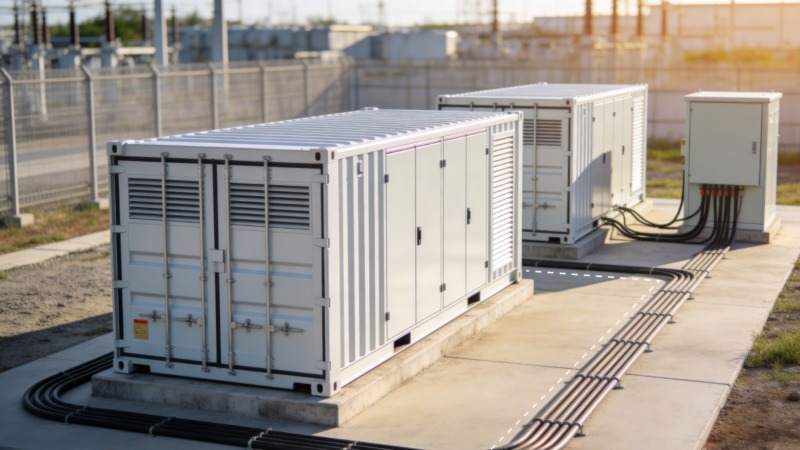
Built for demanding BESS environments
Vikinor provides cooling, powering, and protection solutions for battery energy storage infrastructure, helping critical equipment operate reliably across outdoor sites, renewable energy installations, grid-support applications, and demanding power environments. Each solution can be configured around the site, equipment, and environmental requirements of the installation.
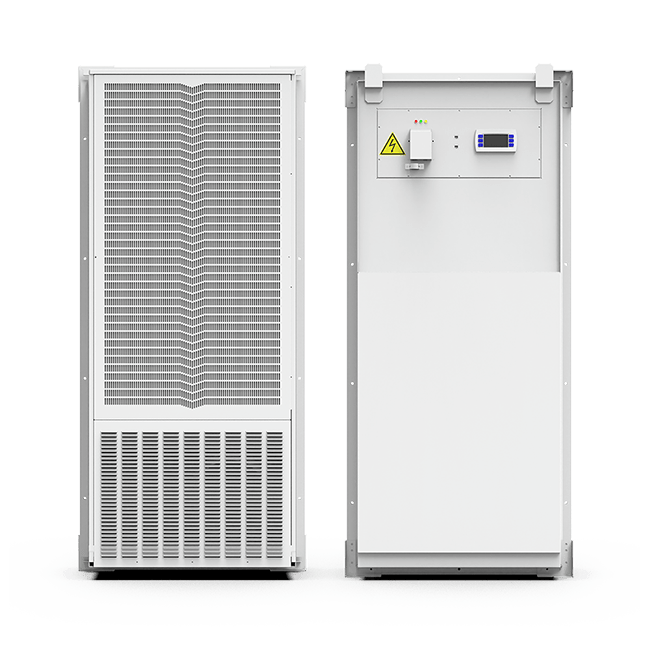


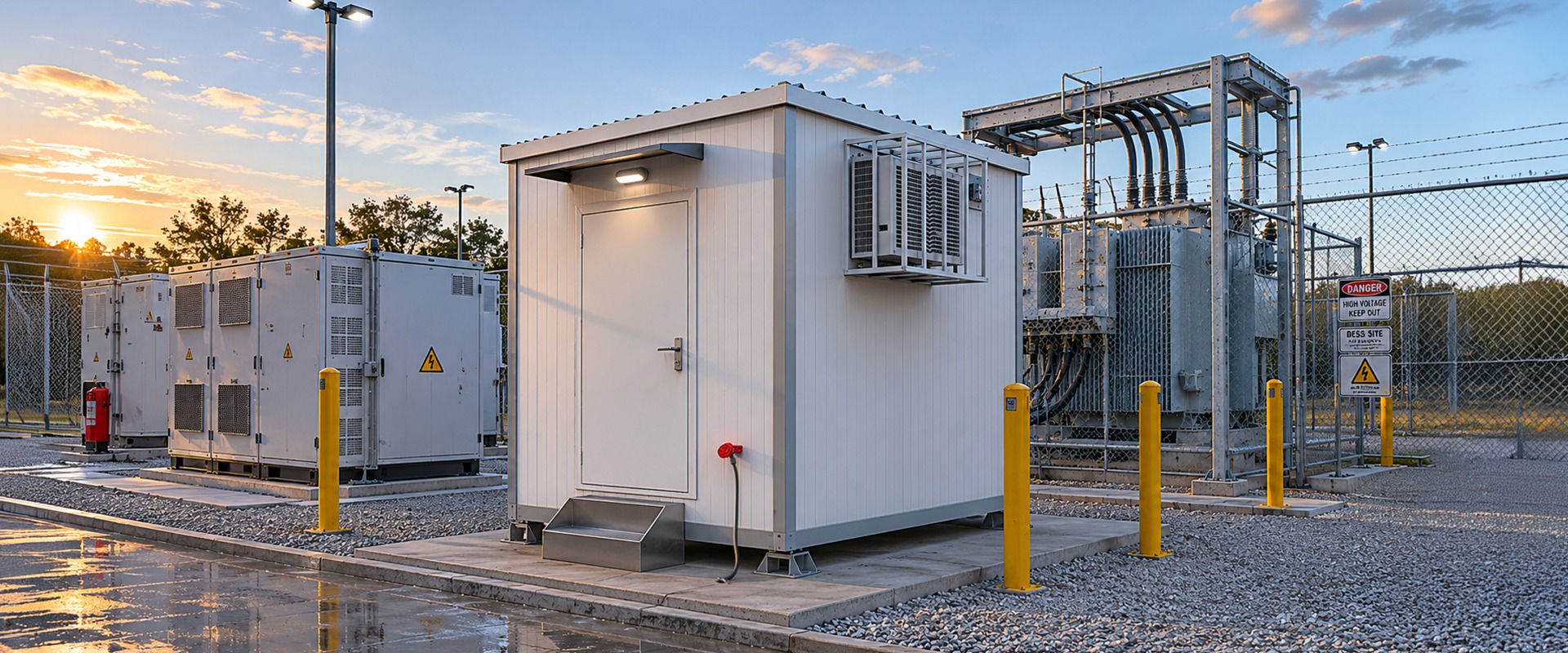
Cooling, powering, and protection from one partner
Battery energy storage sites depend on several supporting systems working together. Cooling helps manage heat loads, power systems support reliable distribution and backup configurations, and protective enclosures secure equipment against outdoor exposure.
Vikinor brings these requirements together across cooling, powering, and protection, helping simplify infrastructure planning for BESS installations with solutions configured around the site, equipment, and operating environment.
Technical considerations for BESS infrastructure
The right infrastructure depends on the site layout, equipment load, thermal requirements, access needs, and environmental exposure. These factors help define the enclosure, cooling, shelter, and power configuration for the installation.
The cooling solution should match the heat load, enclosure format, ambient temperature range, and required separation between internal and external air.
Cabinet or shelter selection depends on equipment size, access requirements, installation location, security level, and whether walk-in service access is needed.
Material, coating, sealing, and protection ratings should be selected around exposure to dust, water, UV, corrosion, humidity, and temperature variation.
Supporting infrastructure should account for cooling units, monitoring equipment, auxiliary systems, control systems, and site-level electrical distribution.
Layout, cable routing, access points, and component placement should support safe installation, efficient maintenance, and future replacement.