Distributed power systems
Glossary poweringDefinition
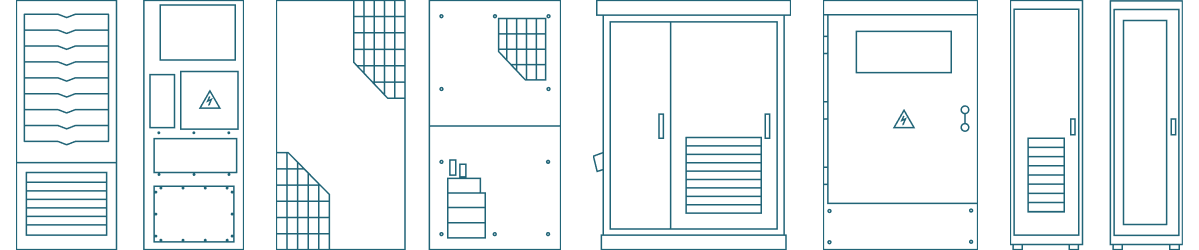
Distributed power systems are power architectures where electricity is generated, stored, and delivered from multiple decentralized sources rather than a single central system, supporting infrastructure within an outdoor enclosure, server cabinet, or network environment.
Context
Distributed power systems are widely used in telecom & connectivity, energy & grid infrastructure, and industrial automation, where reliability, scalability, and resilience are critical. Instead of relying on one central power source, these systems distribute generation and storage closer to the point of use.
They are commonly implemented in telecom power systems, combining solar hybrid power systems, battery energy storage systems (BESS), and gensets (generator systems) across multiple sites. This approach enhances uptime and reduces dependency on centralized grid infrastructure.
Technical insight
Distributed power systems decentralize power generation and distribution to improve system performance and resilience.
Key principles and components:
- Decentralized power generation
Power is generated at or near the point of use using:- Solar energy → Solar Hybrid Power System
- Backup generators → Genset (Generator System)
- Localized energy storage
Each node may include battery energy storage systems (BESS) to provide autonomy and backup power. - Independent system nodes
Multiple self-sufficient units operate across a network, often integrated into off-grid power systems or hybrid setups. - Power distribution architecture
Each node distributes power locally through power distribution boards, ensuring efficient delivery to connected equipment. - DC power integration
Distributed systems often use DC power for efficient and stable operation of telecom and electronic equipment. - Load management and optimization
Intelligent load management ensures efficient energy use across distributed nodes. - Redundancy and resilience
Distributed systems enhance reliability by reducing reliance on a single power source, complementing power system redundancy strategies. - Thermal and environmental considerations
Each node requires:- airflow management
- Adequate cooling capacity
- Integration with cabinet cooling systems
- System-level integration
Distributed power systems support:- Telecom networks
- Industrial infrastructure
- Remote and edge deployments
Distributed architectures improve scalability, resilience, and efficiency in modern infrastructure.
Key advantages
- Reduces dependency on centralized power systems
- Improves system reliability and resilience
- Enables scalable and modular deployment
- Supports remote and distributed infrastructure
- Enhances integration of renewable energy
- Minimizes impact of single-point failures
Applications
- Telecom networks and base stations
- Distributed telecom infrastructure
- Remote and off-grid systems
- Data center edge deployments
- Industrial automation systems
- Energy and grid infrastructure
FAQ
It is a system where power is generated and distributed from multiple decentralized sources.
They improve reliability, scalability, and resilience by reducing dependence on a central power source.
They are commonly used in telecom networks, remote infrastructure, and industrial systems.
powering solutions