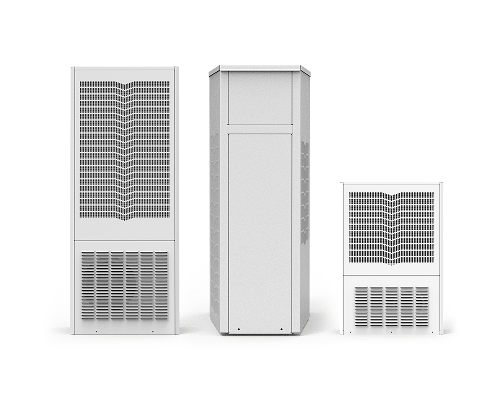
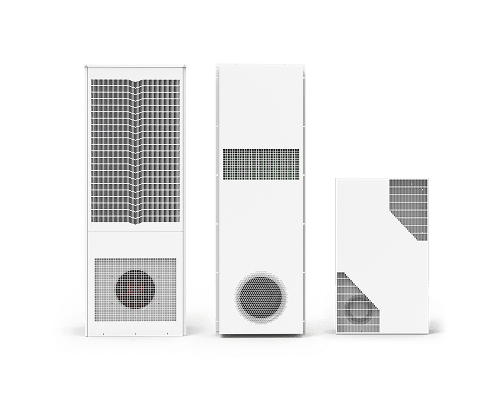
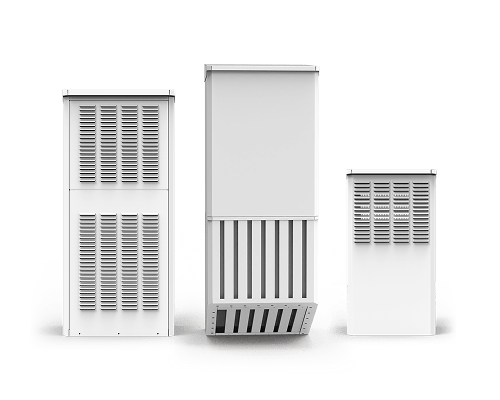
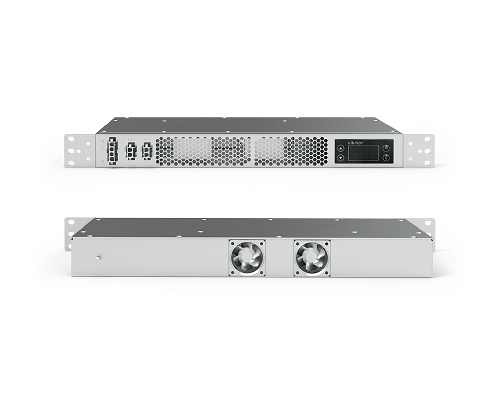
Indoor cabinets and racks designed for secure installation of telecom cabinets, network equipment, and industrial electronics in controlled indoor environments.
Indoor cabinets & racks

Standard 19-inch rack compatibility
High equipment load capacity
Flexible cabinet configurations
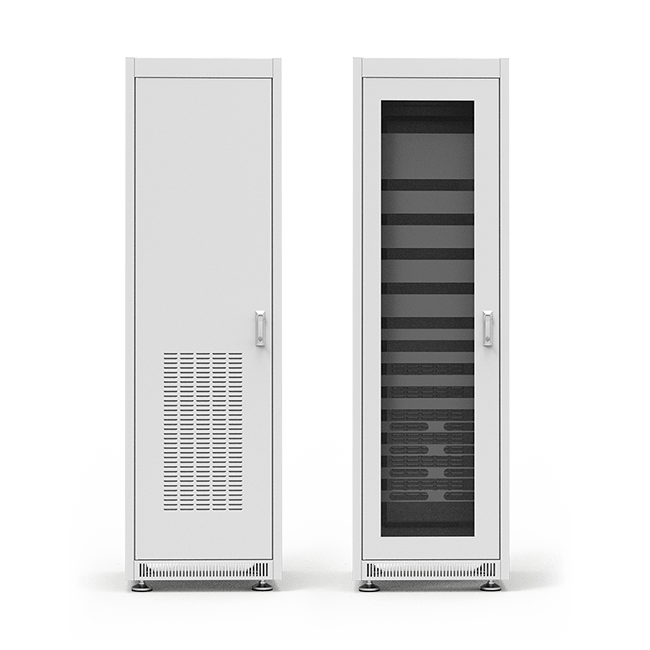
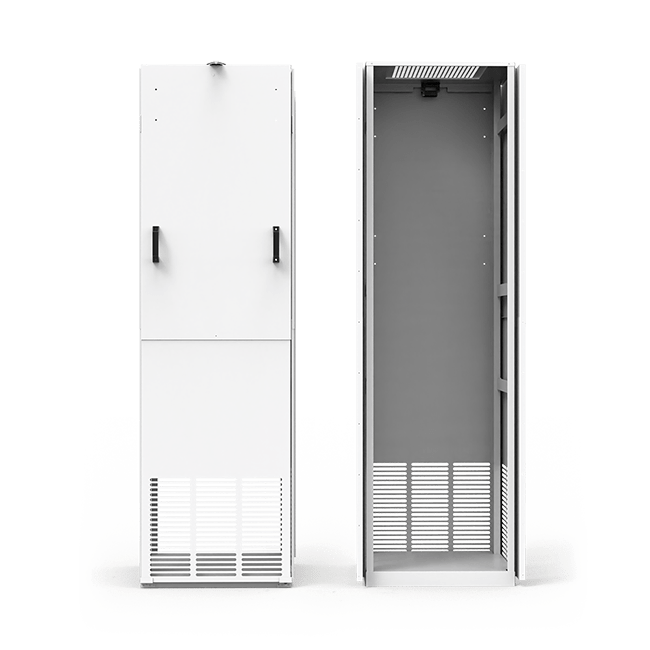
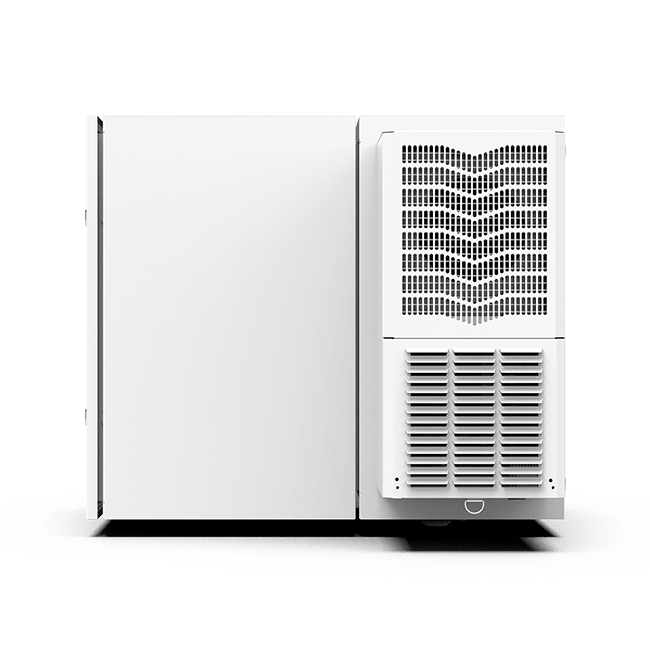
Indoor cabinet & rack series


Choosing the right cabinet or rack
Indoor equipment cabinets and rack systems are designed for different installation environments and equipment requirements. Understanding the differences between cabinet types helps ensure the correct infrastructure for telecom, networking, and industrial systems.
Floor-standing equipment cabinets
Designed for telecom and power system installations where high load capacity and secure equipment housing are required.
Rack frames
Open rack structures designed for scalable equipment installations where accessibility and airflow are important.
Wall-mounted cabinets
Compact cabinets designed for network equipment and monitoring systems where floor space is limited.
Specialized enclosures
Cabinets designed for unique environments such as hygienic installations or contamination-sensitive facilities.
Why choose Vikinor indoor cabinets & racks
Vikinor indoor cabinets and racks are designed to support reliable integration of telecom, network, and industrial equipment. Built for durability and flexibility, they provide secure mounting, efficient airflow management, and adaptable configurations for demanding infrastructure environments.
Standardized rack compatibility
- Designed for 19-inch rack-mounted equipment
- Supports telecom, networking, and industrial hardware
- Compatible with common equipment mounting standards
High load-bearing capacity
- Robust construction for heavy equipment installations
- Engineered for long-term structural stability
- Suitable for telecom and industrial environments
Flexible configuration options
- Available in multiple rack heights and cabinet sizes
- Modular and customizable design options
- Adaptable to diverse equipment layouts
Optimized equipment integration
- Cable management ready designs
- Accessible doors and removable panels
- Designed for integration with cooling and power systems


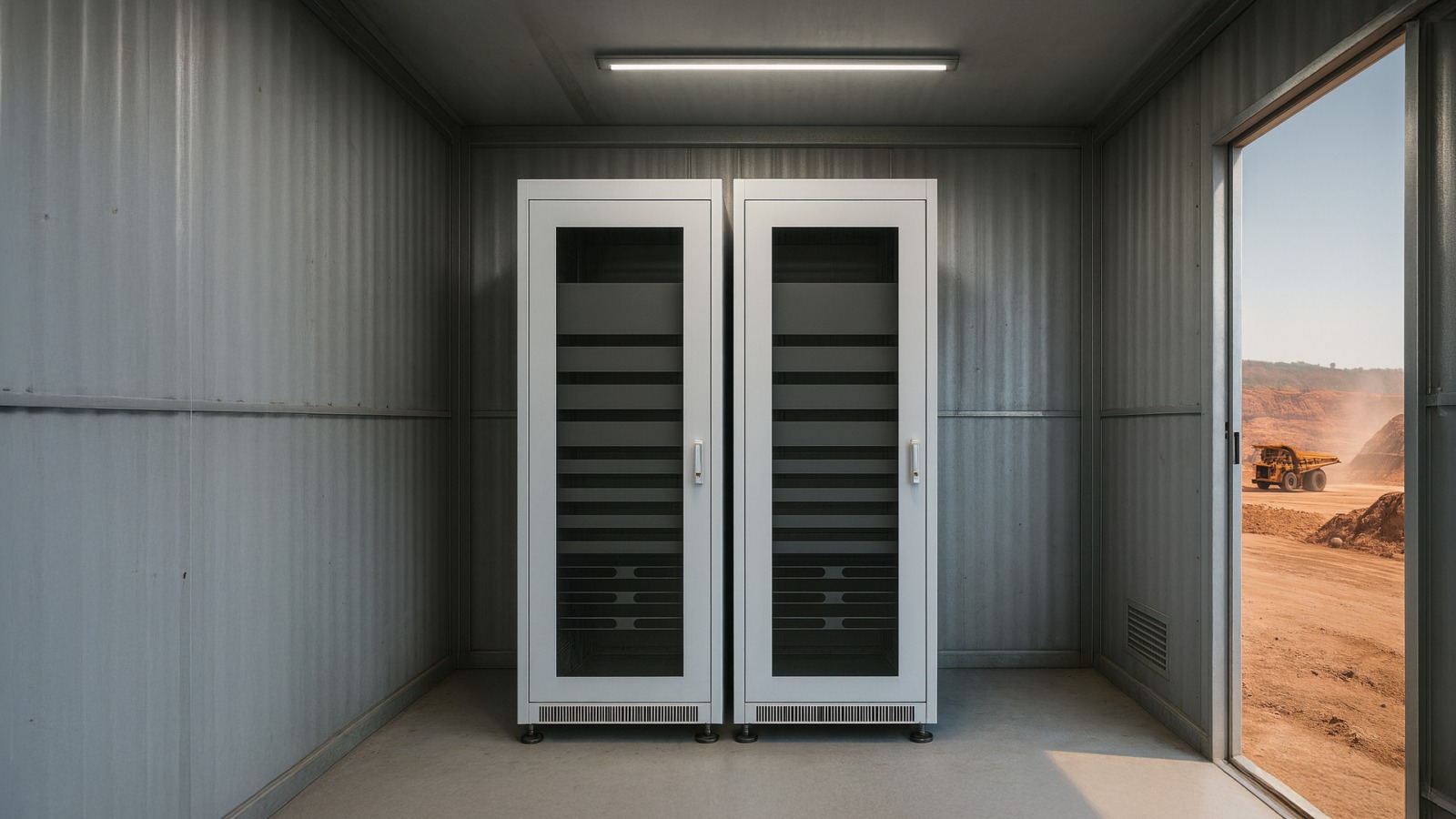
Indoor cabinets & racks – technical overview
Indoor cabinets and equipment racks provide a structured environment for installing telecom, networking, and industrial electronics. They protect equipment, support organized cable management, and ensure proper airflow for thermal management.
Equipment cabinets and racks are structural enclosures designed to house electronic devices such as telecom equipment, servers, power systems, and network infrastructure. They provide standardized mounting, physical protection, and organized equipment layout.
Standardized rack formats such as 19-inch racks allow equipment from different manufacturers to be installed in a consistent and structured way.
Cabinets provide a fully enclosed environment with doors and side panels that protect equipment from dust, physical damage, and unauthorized access. Rack frames, on the other hand, offer an open structure that simplifies equipment access and improves airflow.
Both designs are commonly used depending on the installation environment and equipment requirements.
Wall-mounted cabinets are designed for installations where floor space is limited. They are often used for network equipment, communication systems, and monitoring devices in telecom rooms and control centers.
These cabinets provide secure mounting and easy access while maintaining protection for sensitive electronics.
Equipment racks must support the weight of installed devices such as servers, telecom hardware, and power supplies. High load capacity ensures long-term structural stability and safe operation.
Heavy-duty rack designs are commonly used in telecom infrastructure, industrial control systems, and energy installations where equipment loads can be significant.
Proper rack airflow is critical for maintaining safe operating temperatures inside equipment cabinets. Many installations integrate cooling systems such as air conditioners or passive cooling technologies like heat exchangers to remove excess heat from equipment.
In environments where ambient temperatures allow passive cooling, free cooling systems may also be used to reduce energy consumption while maintaining stable operating conditions.
Effective thermal management ensures reliable system operation and prevents overheating of sensitive electronics.
Indoor cabinets and racks are used in many infrastructure environments where electronic equipment must be installed in an organized and protected structure.
Typical applications include:
- Indoor telecom and network rooms
- Industrial control centers and automation systems
- Edge data centers and equipment hubs
- Utility and energy management systems
- Communication and monitoring facilities
In environments exposed to low temperatures or condensation risks, heater modules may be installed to maintain stable internal conditions.
Related infrastructure solutions