Efficient and reliable cooling solutions for enclosures, cabinets, and shelters, combining multiple thermal management technologies to maintain stable operating conditions and protect critical equipment.
Cooling solutionsfor enclosures, cabinets & shelters

Cooling solutions
Thermal management solutions combining cooling and heating for enclosures, cabinets, and shelters


Cooling performance at a glance
45%
Energy savings
Reduced power consumption with passive and hybrid cooling.
80%
Reduced compressor runtime
Hybrid systems minimize compressor usage by utilizing ambient air.
1.5x
Longer equipment lifetime
Stable temperatures reduce thermal stress and extend component life.
100%
Backup-ready design
Dual power, intelligent controls, and free cooling support operation during grid interruptions.
Performance values depend on system configuration, environmental conditions, and application requirements.
Complete thermal management portfolio
Air-based, liquid-based, passive, active, and hybrid cooling solutions, integrated with heater modules for complete temperature control across telecom, energy, data center, and industrial applications.
Energy-efficient technologies
Optimized cooling strategies across different environments
Reduced energy consumption compared to traditional systems
Supports long-term operational efficiency
Reliable operation in harsh environments
Designed for outdoor and industrial conditions
Protection against temperature extremes and contaminants
Stable performance across varying environments
Extended equipment life for maximum ROI
Maintains optimal operating temperatures
Reduces thermal stress and component wear
Extends equipment lifetime and reduces replacement costs

Choosing the right cooling solution
Cooling systems for enclosures, cabinets, and shelters are selected based on heat load, environmental conditions, and energy requirements. Understanding the different cooling technologies helps ensure reliable operation, maintain enclosure protection, and optimize efficiency.

Passive cooling (closed-loop)
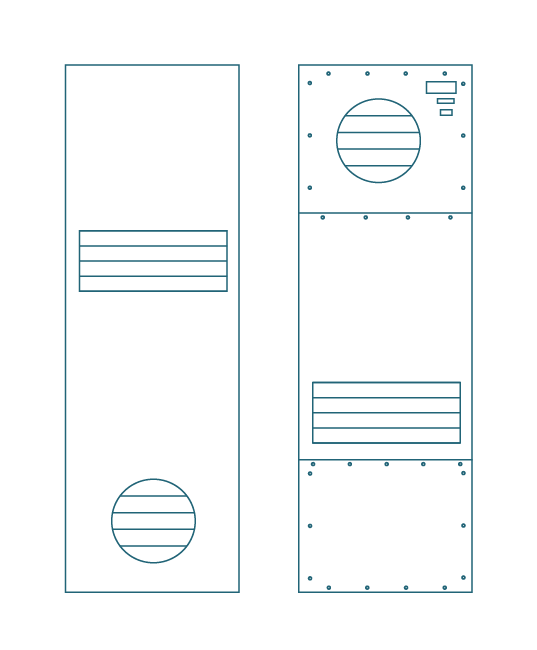
Heat exchangers use a closed-loop design to transfer heat without mixing internal and external airflows, maintaining enclosure protection against dust, moisture, and contaminants.

Passive cooling (open-loop)
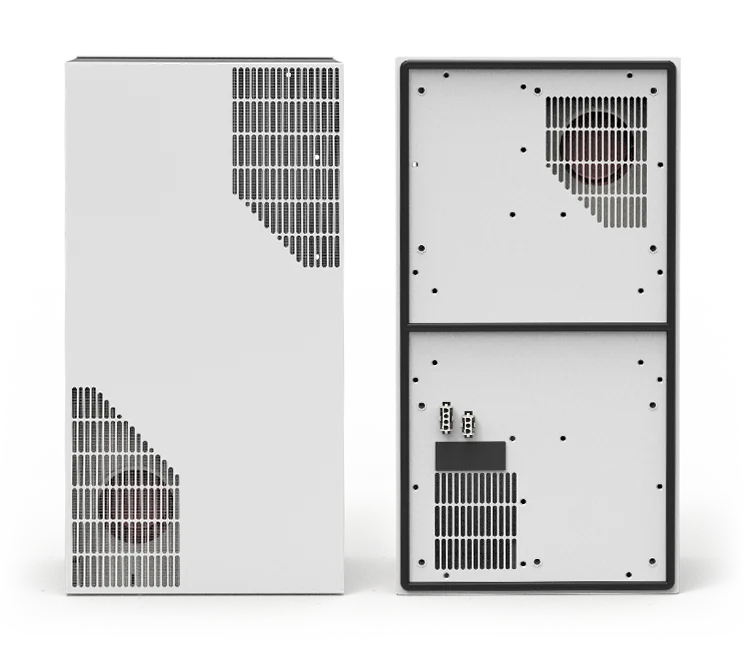
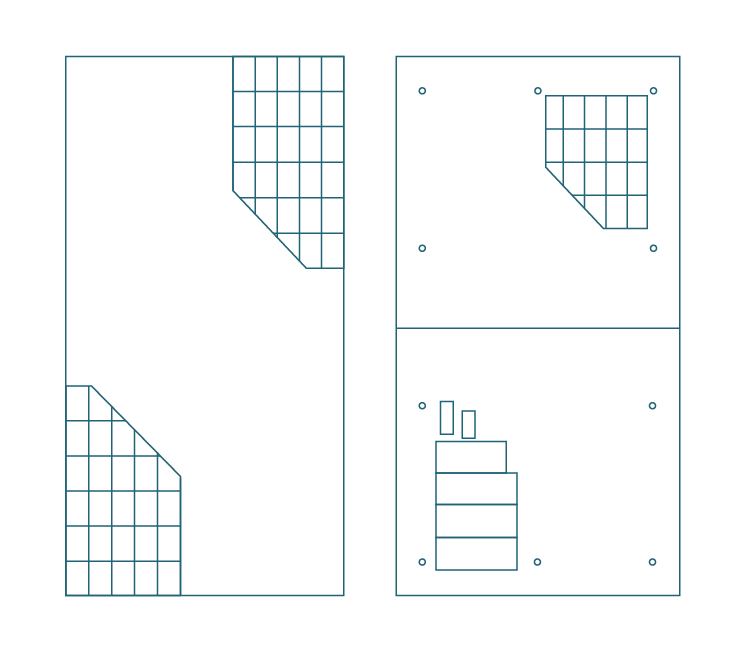
Free cooling systems use filtered ambient air to remove heat from the enclosure. This approach provides highly energy-efficient cooling when environmental conditions allow direct airflow.

Active cooling
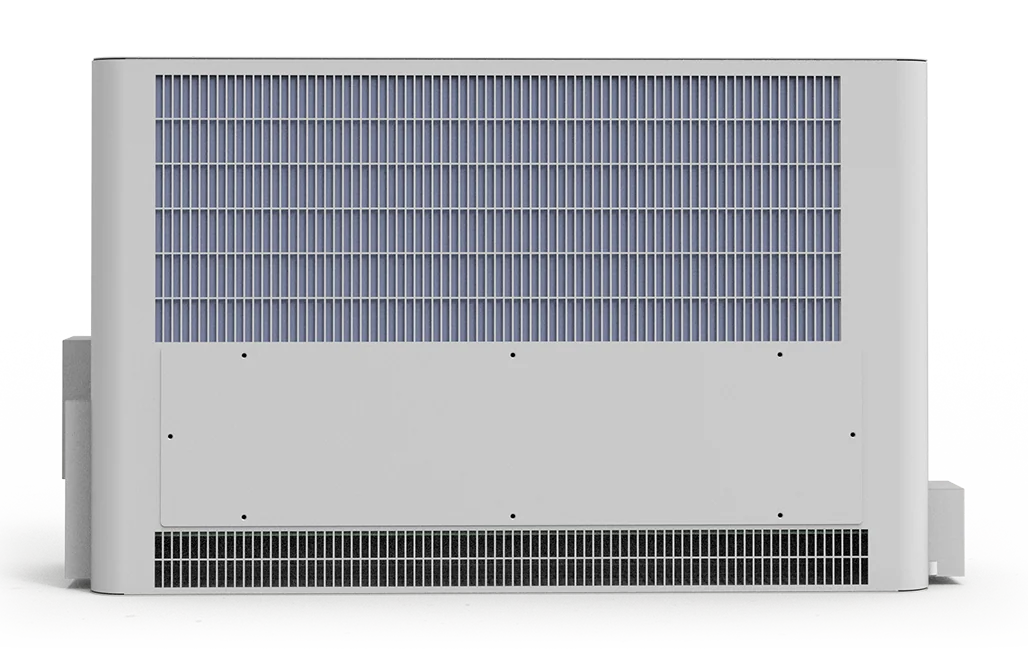
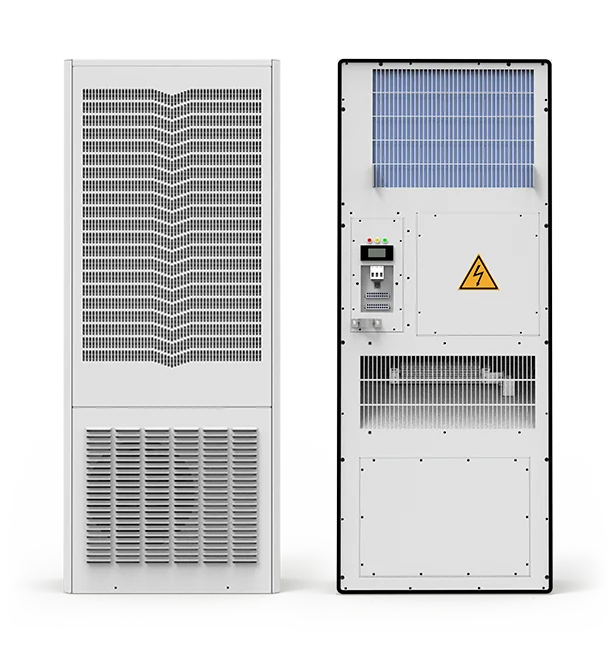
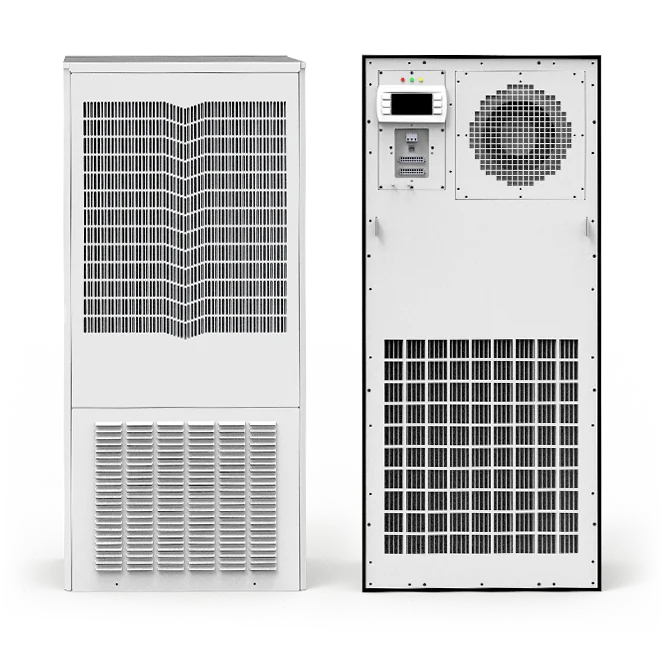
Air conditioners use compressor-based systems to deliver controlled cooling for high heat loads and demanding environments, ensuring stable internal temperatures regardless of ambient conditions.

Liquid cooling
Liquid cooling systems use coolant-based heat transfer for high-density infrastructure, BESS, EDGE, and advanced electronics applications where air-based cooling may not be sufficient.

Hybrid cooling
Air conditioners with economizer combine free cooling and compressor-based cooling, automatically switching between modes to reduce energy consumption while maintaining reliable temperature control.
Cooling technologies for enclosures, cabinets & shelters – Technical overview
Cooling systems for enclosures, cabinets, and shelters are designed to manage heat generated by internal equipment while protecting critical infrastructure from environmental conditions. Selecting the appropriate cooling method depends on heat load, ambient temperature, installation requirements, and equipment density.
Cooling refers to the process of removing heat from enclosures, cabinets, and shelters to maintain safe operating temperatures for internal equipment. Effective cooling improves reliability, extends equipment life, and helps prevent temperature-related failures.
- Air conditioners provide active cooling for high heat loads and demanding environments
- Heat exchangers provide closed-loop passive cooling while maintaining enclosure protection
- Free cooling systems use ambient air for energy-efficient cooling where conditions allow
- Liquid cooling systems use coolant-based heat transfer for high-density and advanced electronics applications
Hybrid systems such as air conditioners with economizer combine passive and active cooling by using ambient air when possible and switching to compressor-based cooling when required.
In addition to cooling, enclosure environments often require heating to prevent condensation and maintain stable operating conditions. In low-temperature or high-humidity environments, heater modules are used to ensure reliable operation and protect sensitive equipment.
The choice of cooling solution depends on:
- Heat load inside the enclosure, cabinet, or shelter
- Ambient temperature and environmental conditions
- Required protection level
- Energy efficiency requirements
- Equipment density and thermal control requirements
Passive solutions are suitable for lower heat loads and favorable conditions, active cooling is used when controlled compressor-based cooling is required, liquid cooling is used for high-density equipment and advanced electronics applications, and hybrid systems are used when energy efficiency and reliable temperature control must be balanced.